
Heart disease remains the leading cause of death for both men and women in the United States, and Georgia is no exception. In fact, according to georgiadata.org, in 2023:
- 28,161 deaths in Georgia were due to cardiovascular disease.
- Heart disease accounted for 30% of all deaths, followed by cancer at 19.6%.
There are several factors that can play a role in the development of heart disease, from genetics to stressful work or personal schedules, sedentary lifestyles, poor diets, and dangerous habits like smoking and alcohol or substance misuse. But the good news is that heart disease is often preventable or manageable. By making intentional lifestyle changes and focusing on long-term health, you can significantly reduce your risk of developing heart disease and improve your quality of life.
At Middle Georgia Heart, we recognize that proactive care is the most powerful tool against cardiovascular disease. Whether you live in Macon, Warner Robins, Milledgeville, Dublin, Griffin, Forsyth, or anywhere else in the state or country, here are practical steps you can take today to support a stronger, healthier heart.
1. Adopt a Heart-Healthy Diet
Your daily food choices play one of the biggest roles in your heart health. A balanced, nutritious diet helps reduce cholesterol levels, regulate blood pressure, and maintain a healthy weight, all of which are key factors in preventing heart disease.
What to Eat:
- Fruits and vegetables: Aim for a variety of fruits and veggies to maximize nutrient intake.
- Lean proteins*: Prioritize poultry, fish, beans, and plant-based proteins.
- Healthy fats: Reach for nuts, avocados, olive oil, and fatty fish like salmon or tuna.
- Whole grains: Choose oats, brown rice, quinoa, and other whole-grain products.
*How you prepare your meats (and your vegetables) matters. Choose the ones that have been roasted, grilled, sauteed, or prepared in other healthy ways. Avoid those that have been battered and/or deep-fried, as they increase your intake of trans fats, saturated fats, and cholesterol.
What to Limit:
- Excessive sodium: An overly salty diet contributes to higher blood pressure.
- Processed meats: Meats like bacon, sausage, hot dogs, deli meats, and jerky are high in sodium and unhealthy fats, which can impact your blood pressure and cholesterol levels.
- Processed snacks: Chips, crackers, cereals, packaged cookies, and so many other processed food products are often chock-full of preservatives, sodium, sugars, and fats that negatively affect your heart and body.
- Excessive sugar: Candies, chocolates, baked goods, sugary beverages, and other products high in sugar impact blood pressure and cholesterol levels.
- Unhealthy fats: Trans fats and saturated fats raise cholesterol levels, particularly “bad” cholesterol (LDL), which leads to plaque buildup on artery walls.
Heart-Healthy Southern Cooking
Georgia’s Southern cooking tastes amazing. Unfortunately, it’s hardly ever prepared in a way that is amazing for our bodies.
If you enjoy the taste of Georgia’s Southern staples and comfort foods (fried chicken, pulled-pork barbeque, fried veggies, etc.), it’s possible to still enjoy the taste without the consequences by making healthier swaps:
- Roast or grill your meats instead of frying them.
- Reduce the amount of salt you use in your recipes.
- Incorporate more healthily prepared vegetables into classic dishes.
2. Get Regular Physical Activity
Exercise is one of the most effective ways to strengthen your heart and protect it from heart disease. Staying active helps improve circulation, lower blood pressure, control weight, reduce stress, and so much more.
While achieving weekly exercise goals can seem daunting at first, it’s really not as complicated as you’d think!
Depending on your abilities, you can aim for:
- At least 150 minutes of moderate exercise per week
- That’s about a brisk 20-minute walk every day or a brisk 40-minute walk every other day
- At least 75 minutes of vigorous exercise.
- That’s about 20-30 minutes of running or other forms of high-intensity training every 3 or 4 days.
Ideas for Staying Active:
- Go for morning or evening walks in your neighborhood.
- Regularly explore Middle Georgia’s parks and walking trails.
- Join a local gym, yoga studio, or fitness class.
- Try biking, swimming, or low-impact workouts.
- Follow at-home workout videos posted to YouTube or social media platforms.
You don’t have to dive into a rigorous workout routine immediately, especially if you haven’t worked out in a while. You can start slowly—it just matters that you start. Even 10–15 minutes a day can make a meaningful difference.
3. Maintain a Healthy Weight
Excess weight, especially the kind that sits around the abdomen, is linked to several health risks, including high blood pressure, high cholesterol, type 2 diabetes, and heart disease.
Maintaining a healthy weight is essential to reducing the strain on your heart and improving your overall cardiovascular function.
Tips for Losing or Maintaining Weight
- Stick to a weekly exercise regimen
- Eat a healthy, balanced diet
- Pay attention to your macros (protein, fat, and carb intake)
- Stay in a reasonable calorie deficient
- Be mindful of portions
- Speak with a healthcare provider for personalized guidance
Middle Georgia Heart offers tools and resources to help patients develop manageable, long-term strategies for weight control.
4. Know Your Blood Pressure Numbers
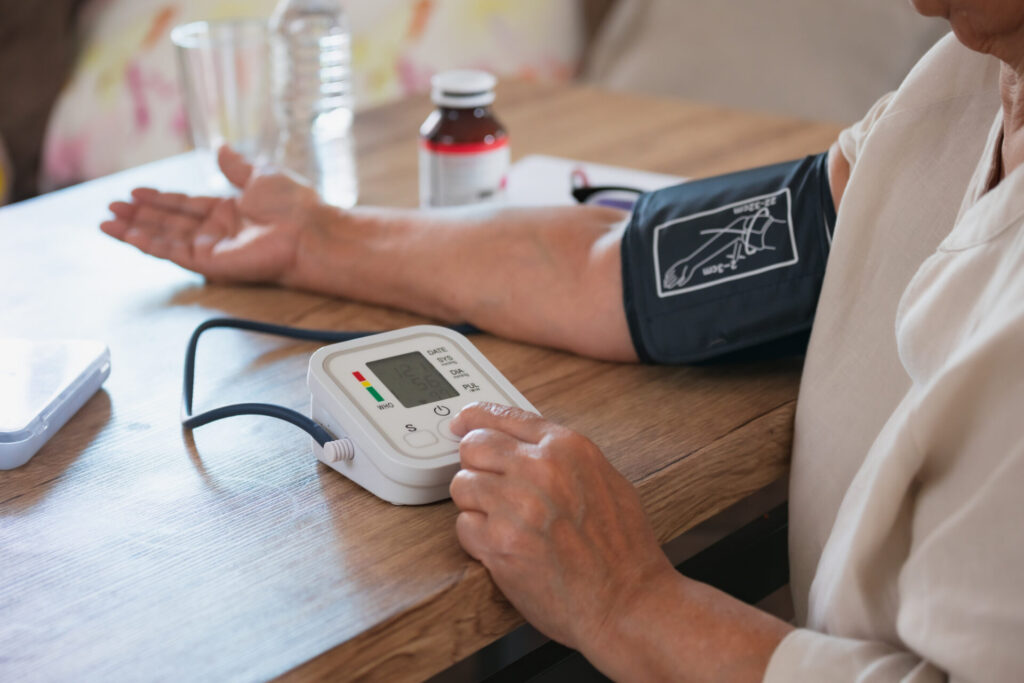
High blood pressure (hypertension) is often considered a “silent killer,” because it usually has no symptoms until serious complications occur. In fact, many adults in Georgia have high blood pressure and don’t even know it.
Tips for Managing Your Blood Pressure
- Have your blood pressure checked regularly
- Reduce your sodium intake
- Maintain a weekly exercise regimen
- Limit your alcohol intake
- Avoid smoking
- Use prescribed medications, if needed
Understanding your numbers can help you act early and protect your heart before damage occurs.
5. Keep Cholesterol and Blood Sugar Levels in Check
Elevated cholesterol and unmanaged blood sugar significantly increase the risk of heart disease, as well as the development of prediabetes or full-blown diabetes.
Tips for Managing Cholesterol and Blood Sugar Levels
- Schedule routine blood work
- Eat high-fiber foods
- Avoid trans fats
- Minimize added sugars
- Follow prescribed treatment plans
- Engage in regular physical activity
Georgia has one of the highest rates of diabetes in the Southeast, making prevention and early detection especially important here.
6. Quit Smoking and Limit Alcohol Use
Smoking is one of the worst things a person can do to their body. It damages blood vessels, reduces oxygen flow, and dramatically increases the risk of heart attack and stroke, in addition to all the damage it can do to the lungs, mouth, and teeth.
If you smoke, quitting is one of the most impactful steps you can take for your heart. And it’s never too late to stop:
Drinking too much alcohol is also a physically damaging activity. Excessive alcohol can increase blood pressure, contribute to weight gain, and weaken the heart muscle over time.
When it comes to alcohol, moderation is key. In fact, here are the recommendations for how much alcohol the average person should consume in a day:
- Women: Up to 1 drink per day
- Men: Up to 2 drinks per day
If cutting back is difficult, Middle Georgia Heart can recommend support programs in your area, as well as lifestyle strategies to help you reduce or stop your alcohol intake.
7. Manage Stress in Healthy Ways
Chronic stress affects more than just your mood. It can raise blood pressure, increase inflammation, and lead to unhealthy coping behaviors such as overeating or drinking.
Effective stress-relief techniques include:
- Deep breathing exercises
- Yoga or stretching
- Walking or light physical activity
- Mindfulness or meditation exercises
- Talking with a counselor or therapist
- Prioritizing sleep and rest
Finding calm in your daily routine helps protect your heart and improve your emotional well-being.
8. Get Enough Sleep
Quality sleep is crucial for maintaining your heart health and overall well-being. On the other hand, poor sleep can contribute to weight gain, high blood pressure, arrhythmias, and insulin resistance.
To improve sleep:
- Aim for 7–9 hours per night
- Maintain a consistent sleep schedule
- Limit screen use before bed
- Create a quiet, dark sleep environment
- Speak with a doctor if you suspect you suffer from sleep apnea
Sleep apnea is especially common and often underdiagnosed, particularly among adults with high blood pressure or obesity.
9. Schedule Regular Heart Health Checkups
Preventive care is one of the strongest defenses against heart disease. Even if you feel healthy, routine cardiac evaluations can detect subtle changes in your heart function.
At Middle Georgia Heart, patients benefit from:
- Comprehensive cardiac assessments
- Blood pressure and cholesterol monitoring
- Diagnostic imaging
- Personalized treatment plans
- Follow-up care
- Specialists with expertise in preventing and managing heart disease
Whether you have risk factors or simply want to stay ahead of potential health issues, establishing regular checkups is vital.
A Healthier Heart Starts With Simple, Daily Choices, Like Scheduling a Visit With Middle Georgia Heart.
Preventing heart disease doesn’t require dramatic lifestyle overhauls. Instead, it’s the small, consistent habits—eating better, moving more, managing stress, and staying proactive with your health—that make all the difference.
With offices in Macon, Warner Robins, Milledgeville, Dublin, Griffin, and Forsyth, the cardiologists at Middle Georgia Heart are here to support your journey toward better heart health. Whether you need guidance, screening, or ongoing care, our cardiology team is committed to helping you live a longer, healthier life.
Schedule a consultation with us today: 478-207-5224
Recent Articles